
Important Boating Safety Guidelines: Essential Checklist and Best Practices for Safe Boating
Boating safely means planning ahead: the right gear, the right skills, and respect for the water. This guide lays out the USCG-required equipment, explains why particular tools and routines prevent accidents, and shows how operator habits and routine maintenance keep trips on Tampa Bay and the Little Manatee River trouble-free. Many boaters overlook how much difference proper life jackets, dependable communications, and a firm pre-departure routine make. Follow the checklist here to turn uncertainty into predictable, manageable outcomes. You’ll find how cut-off switches work, the navigation rules to follow, maintenance steps that reduce common failures, NASBLA training topics, float-plan best practices, and how marina services and secure storage help you stay ready. Practical lists, a few comparison tables, and clear next steps make it easy to put these safety practices into action today.
What Are the Essential Boating Safety Equipment Requirements?
Essential safety gear cuts risk by improving flotation, visibility, communication, and fire control when something goes wrong. At a minimum, carry and maintain USCG-approved PFDs, sound-producing devices, navigation lights, visual distress signals, and the correct fire extinguisher(s) for your boat. Going beyond the legal baseline—adding a VHF marine radio, an EPIRB or personal locator beacon, and a well-stocked first aid kit—meaningfully improves survivability and speeds help when incidents occur. Knowing what to carry and how to store and maintain it prepares your crew for local conditions and ties directly into the marina and storage practices covered later.
Which Life Jackets and Personal Flotation Devices Are Required by USCG?
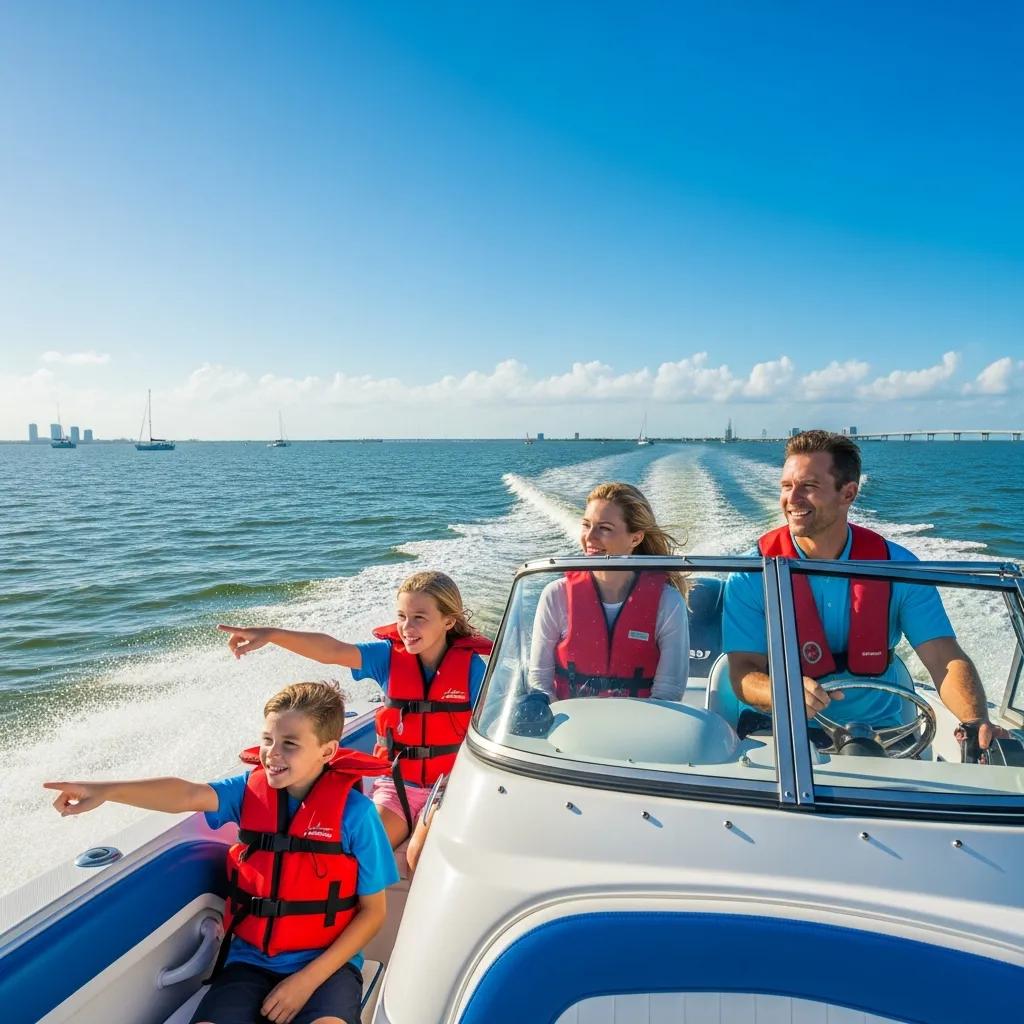
USCG-approved PFDs are grouped by type to match different boats and conditions—choosing the right one ensures buoyancy and wearability in an emergency. Types I through V vary in buoyant force and intended use: Type I offers the most flotation for offshore or rough conditions; Type III is comfortable for active boating; Type V covers special-use situations (like certain watersports) and generally must be worn to meet the legal requirement. Regularly inspect straps and buckles, retire PFDs with degraded foam or fabric, and check fit: a properly fitted PFD should lift the wearer and fasten snugly. Practicing quick donning with your crew reduces panic and improves outcomes during a man-overboard event.
Introductory table compares common PFD types and uses.
| PFD Type | Recommended Use | Typical Scenario/Capacity |
|---|---|---|
| Type I – Offshore | Open water and rough conditions | High buoyancy; designed to help an unconscious person keep their airway clear—best for offshore trips |
| Type II – Near-Shore | Calm, inland waters | Moderate buoyancy; suitable for quick rescue close to shore |
| Type III – Flotation | Active boating and watersports | Comfortable for continuous wear; ideal for lakes, bays, and recreational use |
| Type V – Special Use | Specific activities (e.g., towing, certain sports) | Designed for a particular use and must be worn to meet its legal requirement |
Use this table to match PFD selection to your boat, activity, and operating area—proper selection improves compliance and real-world flotation performance, reducing drowning risk and supporting the other safety systems described below.
Studies of PFD performance in rough-water conditions emphasize choosing the right type and confirming a snug fit to ensure effective flotation.
Rough Water Effectiveness of Personal Flotation Devices
This report examines factors that affect how life jackets perform in waves and outlines methods for quantitative rough-water testing. Sponsored by the U.S. Coast Guard, the study reviews past research and identifies the key variables that influence PFD performance. Experiments using a 50th-percentile male anthropomorphic dummy provided baseline flotation data to compare several PFDs and to define natural-frequency ranges needed for future testing. The report discusses how PFD type, body weight, clothing, and joint flexibility change flotation behavior, and it includes limited human subject comparison data. A notable finding is that the tested PFDs had natural frequencies within the range of waves commonly seen in bays, lakes, and large rivers—places with high recreational boating activity.
What Marine Safety Equipment Should Every Boater Carry?
Every boat should carry a prioritized kit that covers flotation, fire control, signaling, and basic medical needs. Core items include the right number of USCG-approved PFDs, at least one correctly sized fire extinguisher, day/night visual distress signals, a sound-producing device (horn or whistle), and navigation lights for after-dark operation. Recommended additions are a waterproof VHF radio for distress calls, a compact marine first aid kit, and an EPIRB or personal locator beacon for offshore trips. Store and maintain these items—check extinguisher gauges, replace expired flares, and keep batteries fresh—so they work when you need them most.
Essential marine safety checklist before departure:
- Confirm every passenger has a USCG-approved PFD that fits.
- Check navigation lights and batteries for after-dark use.
- Verify the fire extinguisher is fully charged and within reach.
- Test the VHF radio and ensure visual distress signals are in-date.
- Stock the first aid kit and verify EPIRB/PLB batteries and operation.
A simple pre-departure routine like this reduces human error and prepares your vessel for foreseeable emergencies, tying into the storage and maintenance practices covered later.
Where to Find Local Boater Education and Certification in Ruskin, FL?
Local options include NASBLA-accredited online modules and in-person classes or workshops offered by community groups and maritime businesses familiar with Tampa Bay. Check state and national listings to find accredited providers, and choose formats that include on-water practice when possible. Many marinas host certification events, safety seminars, and hands-on drills that turn classroom knowledge into practical skills for the Little Manatee River and nearby waters. Participating in local training strengthens your crew’s competence and helps keep our boating community safer.
Shell Point Marina Connection: Shell Point Marina promotes and helps coordinate access to NASBLA-accredited courses and local safety workshops so boaters can move classroom skills into on-water practice. Joining these local programs builds community readiness and improves safety across Tampa Bay.
What Are the Key USCG Boating Safety Regulations for Florida Boaters?
USCG regulations set minimum carriage and conduct standards to reduce hazards—things like life jacket availability and cut-off switch use. Florida boaters must meet federal carriage requirements and follow state rules that add specifics on operator age limits, Boating Under the Influence (BUI) laws, and equipment requirements by vessel size. Knowing these rules helps you create compliant pre-departure checklists that protect passengers, property, and the environment. Compliance also improves legal safety and helps search-and-rescue efforts when incidents occur on Tampa Bay.
Introductory table summarizes common regulations and Florida-specific notes.
| Regulation | Requirement | Florida Note |
|---|---|---|
| Life Jackets (PFDs) | One USCG-approved PFD per person plus throwable devices as required | Must be readily accessible; children under 6 on vessels under 26 feet must wear a PFD while underway |
| Engine Cut-Off Switch | Must be used/installed per recent regulations on certain vessels | Required for many recreational vessels under 26 feet while the operator is underway unless exempt |
| Navigation Lights | Required display between sunset and sunrise and in restricted visibility | Applies to all vessels operating after dark |
| Alcohol & BUI | No impairment while operating; penalties mirror DUI standards | Strong enforcement with potential criminal consequences |
This summary helps you prioritize compliance and focus on the high-impact rules that prevent injuries and legal exposure.
What Are the Navigation Rules and Alcohol Restrictions for Safe Boating?
Navigation rules—the “rules of the road”—assign predictable behavior for right-of-way, crossing, overtaking, and safe speed to prevent collisions. Practical measures include obeying slow-speed zones, keeping a proper lookout, and reducing speed in crowded or confined areas. Alcohol impairs judgment and reaction time; BUI laws prohibit operating while impaired and are enforced similarly to land-based DUI laws. Combine navigation discipline, sober operation, and attentive watchkeeping to create a strong behavioral defense against human-factor accidents on Tampa Bay.
Operational rules overlap with maintenance and preparedness, which help prevent equipment-related incidents addressed next.
How Does Proper Boat Maintenance Prevent Common Boating Accidents?
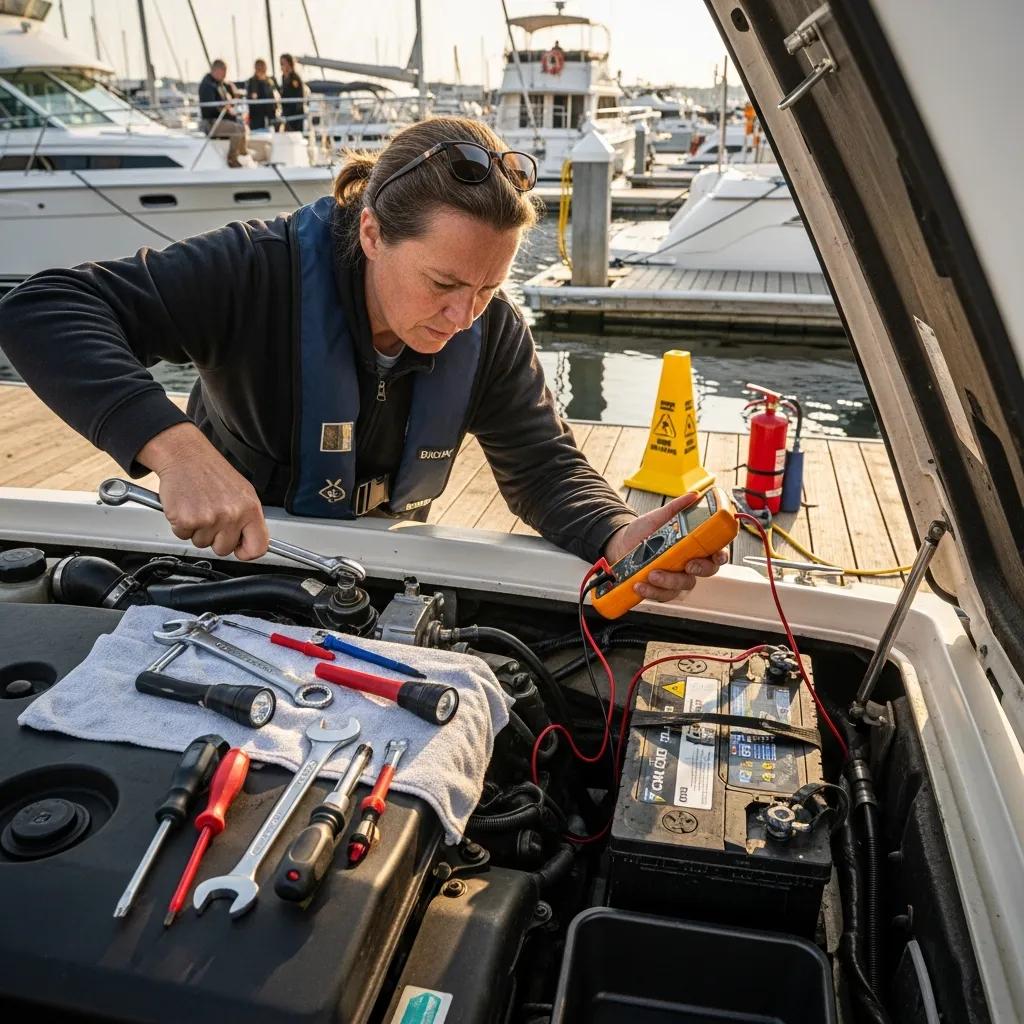
Proper maintenance—scheduled inspections and timely repairs—keeps propulsion, steering, electrical, and flotation systems working reliably. Regular checks catch wear before it becomes a failure and reduce accidents caused by loss of propulsion, steering lock, fuel leaks, or electrical faults. Keep service records, follow manufacturer intervals, and address corrosion or worn parts promptly to avoid progressive deterioration that can strand you. When systems work as intended, crews can focus on navigation and conditions rather than on emergency fixes.
Introductory maintenance table links tasks to schedules and safety benefits.
| Maintenance Task | Frequency | Safety Benefit |
|---|---|---|
| Engine systems inspection | Seasonal and pre-departure | Reduces sudden propulsion loss and fuel-related fire risk |
| Battery and electrical checks | Monthly and before trips | Prevents power failures for steering, ignition, and radios |
| Hull and thru-hull inspection | Annual and after grounding | Detects leaks and structural issues early |
| Steering and control checks | Pre-departure and monthly | Ensures predictable handling and prevents loss of control |
Linking tasks to schedules clarifies how maintenance reduces common on-water incidents such as strandings and collisions.
What Routine Maintenance Tasks Ensure Vessel Seaworthiness?
Key routine tasks include engine and fuel-system checks, battery condition and connection inspections, bilge pump testing, steering and throttle linkage inspection, propeller and shaft checks, and verifying navigation lights. Pre-departure checks—fluid levels, bilge pump operation, battery charge, and visible fuel or oil leaks—address most immediate risks. Seasonal or annual work like anode replacement, bottom inspections, and professional surveys reduce corrosion and hidden damage. Keep clear service records and a predictable maintenance cadence to lower the chance of mid-trip mechanical problems.
How Does Shell Point Marina’s Service Yard Support Safe Boat Operation?
Shell Point Marina’s service yard helps owners stay safe by providing a 35-ton travel lift for hull access, space for bottom jobs and surveys, and coordination with licensed, insured contractors for mechanical work. Those capabilities make it possible to inspect and repair hull, propeller, and underwater fittings that affect buoyancy and steering reliability. When owners use marina facilities and approved contractors for complex maintenance, vessels return to Tampa Bay in better condition and with fewer on-water failures. Regular service at a yard like this shortens downtime and improves overall safety readiness.
That brings us to operational practices and readiness that prevent common accident causes on Tampa Bay.
Tampa Bay Boating Safety: Complete Checklist & Best Practices
Preventing accidents combines good planning, local knowledge, disciplined watchkeeping, and gear readiness. File a float plan, monitor marine weather and local wind patterns, keep a proper lookout, and use collision-avoidance techniques in inlets and channels. Local considerations—anticipating afternoon sea breezes, avoiding busy fishing spots, and understanding tides near the Little Manatee River—help you make smart go/no-go choices. A layered approach—education, the right equipment, regular maintenance, and thoughtful planning—creates redundancy so a single failure doesn’t become a disaster.
How to Use Float Plans and Weather Safety to Avoid Emergencies?
A float plan is a simple itinerary you leave with a trusted onshore contact: vessel details, route, departure and return times, passenger names, and emergency contacts. It’s a critical alert tool if you don’t return as planned. Combine float plans with up-to-date marine forecasts, tide and current information, and local weather alerts to set clear decision thresholds—for example, postponing a trip when sustained winds exceed safe limits or thunderstorms are forecast. Practical steps: leave a copy of your plan with someone reliable, check forecasts before casting off, and identify nearby sheltered harbors as contingencies. Together, float plans and weather discipline shorten response time and cut exposure to hazardous conditions on Tampa Bay.
Float plans and weather checks naturally tie into preventing the most common causes of boating accidents, which we’ll cover next.
What Are Common Causes of Boating Accidents and How to Avoid Them?
Common causes include operator error and inexperience, impaired operation (alcohol), distracted watchkeeping, and mechanical failures from deferred maintenance. Mitigate these by completing boater education, enforcing sober operation, assigning clear watchkeeping roles, and following scheduled maintenance and pre-departure checks. Simple habits—wearing PFDs, keeping a proper lookout, and testing critical systems—address most incident precursors and keep risky situations manageable.
Combining behavioral and technical mitigations lowers incident rates and pairs well with marina-based supports like secure storage and on-site services.
How Can Secure Boat Storage Enhance Your Boating Safety?
Secure storage—dry-stack or wet slips—protects equipment, simplifies maintenance, and improves readiness. Dry storage reduces corrosion and fouling, making inspections and repairs easier before launch. Wet slips give fast access to the water and are handy when you need fuel, pump-out services, or quick returns in changing weather. Choose the storage option that fits your boating habits and local conditions to reduce environmental wear and speed pre-launch prep, which lowers the overall risk for each outing.
What Safety Advantages Do Dry Storage Facilities Provide for Your Equipment?
Dry storage shields boats from constant immersion and cuts galvanic corrosion, extending the life of engines, thru-hull fittings, and electrical systems. Raised storage simplifies visual inspections and routine maintenance so you spot hull damage, loose hardware, or electrical faults sooner. Many dry-stack operations offer engine flushing and hull wash-down after launch, which reduces salt and biological buildup and lowers in-water failure risk. By making maintenance easier and keeping boats cleaner, dry storage improves emergency readiness and reduces equipment-related accidents.
Dry storage benefits lead into how wet slips support rapid access and on-site services.
How Do Wet Slips at Shell Point Marina Facilitate Safe and Quick Water Access?
Wet slips at Shell Point Marina give quick access to Tampa Bay via the Little Manatee River with a short transit that avoids bridges—perfect for fast departures or returns when weather changes. On-site fuel and pump-out services reduce risky refueling behavior and environmental hazards. Proximity to the service yard and marina amenities means easy access to contractors and support when problems arise. The combination of wet slips, fuel, pump-out, and nearby service capabilities helps owners launch confidently and return quickly if conditions change—improving day-of-launch safety for local boaters.
Shell Point Marina Connection: For owners seeking secure storage and ready access, Shell Point Marina offers dry storage with engine flushing and hull wash-down services, plus wet slips with quick water access, fueling, and pump-out—features that extend equipment life and help keep our Ruskin, FL boating community safe on the water.
Conclusion
Following essential boating safety guidelines makes every trip safer and more enjoyable. Know the equipment you must carry, keep your boat well maintained, stay current with local rules and training, and plan each outing with weather and float plans in mind. Use the checklists and practices here to sharpen your routine, and reach out to local resources for training and marina services. Stay prepared—so every adventure on Tampa Bay ends well.